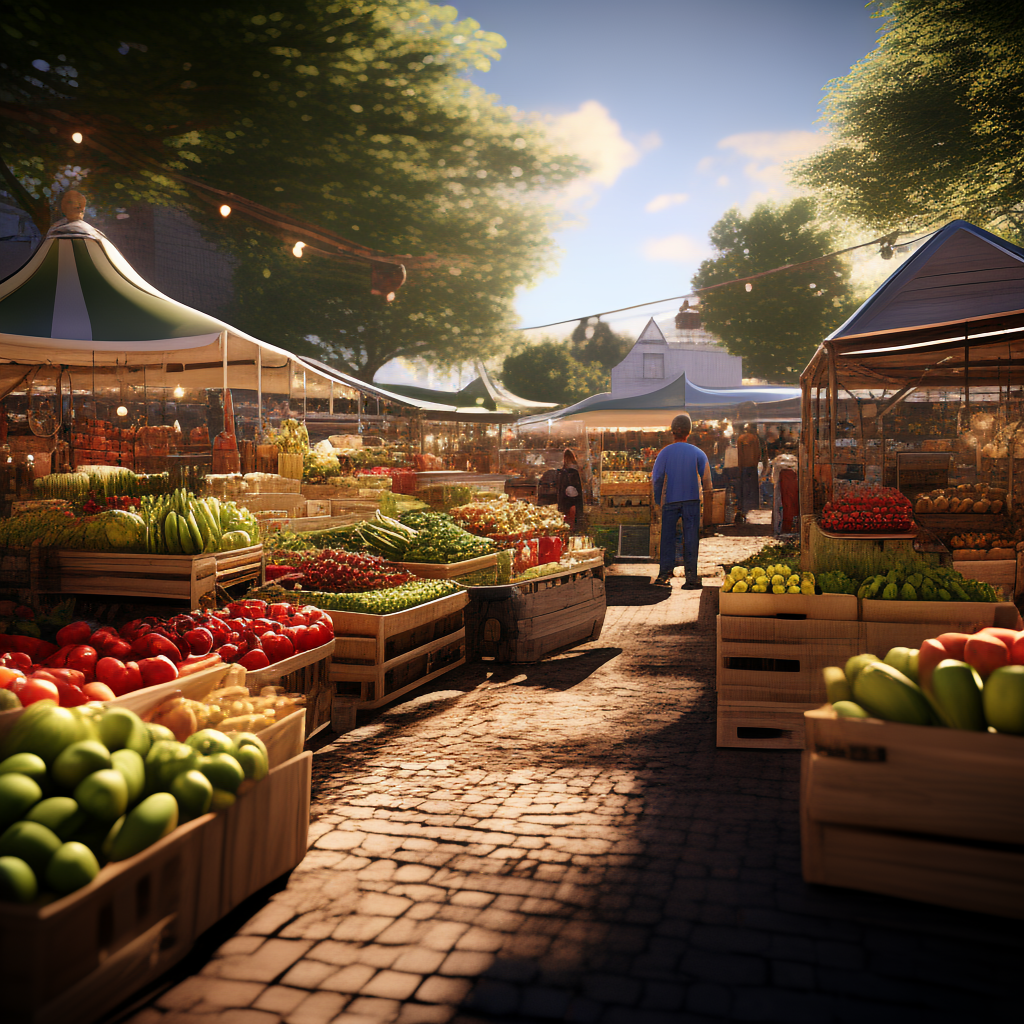
Farmers Market Near Me: Find Local Markets & Vendors
Find a farmers market near me with Evntle. Browse local markets, preview vendors, and plan your visit. Discover Australian markets today!
Summary
Find a farmers market near me with Evntle. Browse local markets, preview vendors, and plan your visit. Discover Australian markets today
Searching for a farmers market near me? The short answer: use a dedicated event discovery platform like Evntle Event Discovery to filter markets by location, date, and vendor type in seconds, rather than scrolling through generic search results. Australian farmers markets operate across every state, with most major cities hosting at least one market every weekend — Sydney alone has over 25 regular farmers markets, Melbourne more than 30, and regional centres like Geelong and Ballarat add dozens more to the national tally. The best way to find one that suits your needs, whether you are an attendee hunting for fresh produce or a stallholder scouting new venues, is to check a platform that aggregates real-time event listings, vendor previews, and operating hours in one place. This guide covers how to find markets near you, what to expect as a visitor, how organisers run them efficiently, and how vendors can sell more on market day.
How Do I Find a Farmers Market Near Me?
Most people start with a web search, but generic results often surface outdated listings, paywalled directories, or social media pages that have not been updated since last season. A better approach is to use a purpose-built event discovery tool. Evntle Event Discovery lets you browse farmers markets, night markets, craft fairs, and food festivals by location, date, or event type, with vendor previews so you know who is trading before you leave the house. You can filter by suburb, postcode, or region, and see operating hours, stall line-ups, and organiser profiles in one view.
For attendees, the practical workflow is straightforward:
- Set your search radius. Decide how far you are willing to travel — most regular market-goers cap it at 15–20 minutes each way.
- Check operating days. Farmers markets are not all weekend affairs. Many operate on Wednesday mornings, Thursday evenings, or the first Sunday of the month.
- Preview the vendor list. If you are after specific items — sourdough from a particular baker, organic vegetables, or a food truck you follow — confirm they are actually trading that day.
- Plan for parking and entry. Some markets have free entry with paid parking nearby; others are fully free. Check the event listing for bump-in times if you are a vendor, or gate opening times if you are visiting.
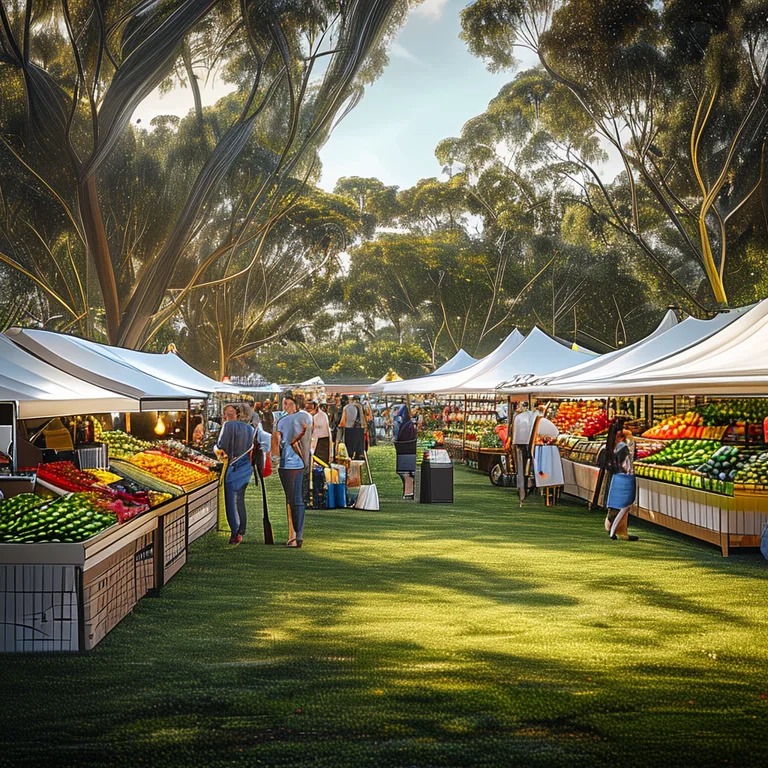
Save your favourite markets in a discovery app with a follow feature. When organisers update event dates, add new vendors, or change opening hours, you get a notification instead of turning up to an empty car park.
What Makes a Good Farmers Market Discovery Platform?
Not all listing sites are equal. A useful platform should show you the vendor line-up before you arrive, not just a postcode and a vague description. It should also let you follow organisers, read reviews from other attendees, and see which vendors have storefronts with product lists and dietary information. Evntle Vendor Storefronts give stallholders a permanent digital presence — you can browse their full menu or product range, check allergen declarations, and see which events they are trading at next. That is the difference between a directory and a tool that actually helps you plan your morning.
What to Expect at an Australian Farmers Market
Australian farmers markets vary widely in size and format, but most share a common rhythm: bump-in starts early, trading peaks between 9:00 and 11:00 AM, and stallholders pack down by early afternoon. Attendees can expect a mix of primary producers (fruit and vegetable growers, meat and dairy farmers), value-added food vendors (bakers, jam makers, coffee roasters), and occasionally craft or plant stalls. Entry is usually free, though some larger events charge a gold coin donation or a small ticketed fee for special markets.
Here is a snapshot of typical market characteristics across Australian capital cities:
| City | Average Number of Regular Farmers Markets | Typical Trading Days | Common Entry Fee |
|---|---|---|---|
| Sydney | 25+ | Saturday, Sunday, Wednesday | Free – $2 |
| Melbourne | 30+ | Saturday, Sunday, Thursday evening | Free – $5 |
| Brisbane | 15+ | Saturday, Sunday, Wednesday | Free – $3 |
| Adelaide | 10+ | Sunday, Saturday | Free – $2 |
| Perth | 12+ | Saturday, Sunday | Free |
Data compiled from state farmers market associations and council event listings, 2024–2025 season. Numbers fluctuate seasonally; always confirm with the organiser before travelling.
"The best markets are not the biggest ones. They are the ones where the organiser knows every vendor by name, the site plan makes sense, and the queues move fast."
— Evntle market operations guide
Market Day Timing and Peak Hours
If you want the best produce, arrive early. Growers often sell out of popular items — heirloom tomatoes, stone fruit, single-origin coffee beans — within the first two hours. If you want the best deals, arrive late. Many vendors discount perishables in the final 30–45 minutes to avoid packing stock back into coolers. The trade-off is selection versus price, and regular attendees often do both: an early lap for the good stuff, a late lap for bargains.
How Organisers Run a Farmers Market Efficiently
Running a farmers market is a logistics operation disguised as a community event. Organisers juggle vendor applications, stall allocations, compliance documents, bump-in schedules, payment collection, and incident management — often across multiple sites and recurring dates. Spreadsheets and email chains collapse under this load. The organisers who run smooth markets use integrated tools like Evntle Vendor Management Software to handle the full vendor lifecycle: applications, approvals, document collection, stall allocation, fee payment tracking, and event-day communication in one operating environment.
A typical market day workflow for an organiser looks like this:
- Pre-event (1–2 weeks out): Send vendor confirmations, stall numbers, bump-in windows, and site maps via the platform. Collect any outstanding certificates of currency or food safety documentation.
- Bump-in (5:00–7:00 AM): Track vendor arrivals in real time, resolve no-shows, and reassign stalls if needed. Evntle Bump-in/Bump-out Tools handle arrival windows, parking passes, and site access without radio chatter.
- Trading (7:00 AM – 1:00 PM): Monitor sales through live dashboards, log incidents, and communicate with vendors via in-app notifications rather than walking the entire site repeatedly.
- Bump-out (1:00–3:00 PM): Confirm all vendors have packed down, collect any outstanding fees, and generate an end-of-day summary report for the committee or council.

Food safety documentation is not optional. Every food vendor at an Australian market must hold a current food business registration with their local council, and most organisers require a certificate of currency for public liability insurance. Evntle Compliance Tracking keeps licence expiry dates, insurance certificates, and inspection records in one place so you are not chasing PDFs the night before market day.
Stall Allocation Without Chaos
Assigning stalls is where many organisers lose hours. A good site plan balances product mix (you do not want three bakeries side by side), power requirements (food trucks need different access than craft stalls), and traffic flow (hot food near seating, produce near entrances). Evntle Site Planning lets you drag and drop stalls onto a site map, assign parking zones, and mark amenities like power outlets and water access. When a vendor cancels on Friday night, you can reassign the stall in minutes and notify the replacement automatically.
Vendor Operations: Selling More on Market Day
For stallholders, a farmers market is a retail environment with unique constraints: no permanent power, variable weather, high foot traffic in short bursts, and customers who expect fast service. The vendors who thrive are the ones who treat their stall like a proper point of sale, not a cash tin and a handwritten sign. Evntle POS System works on any phone, tablet, or laptop, syncs across multiple devices in real time, and handles cash, card via Zeller EFTPOS, and split payments without a separate terminal for each method.
Here is how a typical food vendor processes a market day with a proper POS:
| Time | Activity | Tool Used | Outcome |
|---|---|---|---|
| 6:30 AM | Set up stall, load menu items, check stock levels | POS with pre-built menu template | Ready to trade in under 15 minutes |
| 8:00 AM | First rush — process orders, print receipts | POS + Bluetooth thermal printer | Queue moves at under 30 seconds per customer |
| 11:00 AM | Peak hour — monitor stock, adjust menu | Live sales dashboard | Sold-out items marked instantly, no disappointed customers |
| 1:00 PM | Pack down, reconcile cash, review sales | End-of-day summary report | Know exactly what sold, what did not, and what to bring next week |
For food vendors with a kitchen or prep area, Evntle KDS (Kitchen Display System) keeps orders moving without shouting across the stall. Orders appear on a screen in the order they were placed, with status tracking and sound alerts. Evntle Order Board shows customers where their order is in the queue, which reduces "how long until my coffee?" questions by a measurable margin.
"Queues kill sales. Every minute a customer spends waiting is a minute they are not spending money. A fast POS is not a luxury — it is the difference between a good market day and a great one."
— Evntle food stall POS guide
Food stalls using a digital POS with order tracking report an average queue reduction of 25–30% during peak trading hours, based on internal Evntle usage data across Australian markets in 2024–2025. Faster queues mean more transactions per hour — and more revenue per market day.
Allergen Safety and Food Compliance for Vendors
Australian food safety law requires vendors to declare allergens on request, and most organisers now require written allergen information at the stall. Quick Setup + Allergen Safety pre-built POS templates include allergen declarations on item cards and order carts, so a customer with a nut allergy can see exactly what is safe before they order. This is not a nice-to-have. A single undeclared allergen incident can end a vendor's market career and expose the organiser to liability. Treat it as a core operating requirement.
How Attendees Can Get the Most Out of a Farmers Market Visit
Attending a farmers market is a skill, not just an errand. Regulars know which vendors sell out early, which ones offer samples, and which stalls have the shortest queues at 10:30 AM. Here is a practical checklist for a better visit:
- Bring cash and a card. Most vendors now accept card payments, but a few smaller growers still run cash-only. Having both covers every stall.
- Bring your own bags. Many markets have moved away from single-use plastic. Sturdy canvas bags and a cooler bag for meat and dairy are essential.
- Ask about provenance. Farmers market vendors are usually the producers themselves. Ask where the produce was grown, when it was picked, and how to store it. You will get better answers than any supermarket label.
- Follow vendors on their storefronts. Evntle Vendor Storefronts let you see a vendor's full product range, upcoming event appearances, and contact details. If you love their sourdough, you will know exactly where they are trading next weekend.
- Check the event listing before you go. Weather changes, vendor cancellations, and seasonal closures happen. A quick check of the event page saves a wasted trip.

Voice Search and Quick Discovery
More people are finding markets through voice search — "Hey Siri, where is a farmers market near me open today?" or "OK Google, farmers market near me with food trucks." For an event listing to surface in voice results, it needs structured data, clear location tags, and up-to-date operating hours. Organisers who list their events on Evntle Event Discovery with complete details — address, trading hours, vendor categories, entry fees — are more likely to be picked up by voice assistants and AI search summaries. If your market is not listed with accurate data, you are invisible to a growing segment of attendees.
Frequently Asked Questions About Farmers Markets Near Me
Frequently Asked Questions
Q: How do I find a farmers market near me that is open today?
A: Use an event discovery platform like Evntle to filter markets by location and date. Most Australian farmers markets trade on Saturday or Sunday mornings, with some operating on Wednesday or Thursday evenings. Check the event listing for confirmed trading hours and vendor line-ups before you travel.
Q: What is the best time to arrive at a farmers market?
A: Arrive within the first hour of opening for the best produce selection, as popular items sell out quickly. If you want discounted prices, arrive in the final 30–45 minutes when vendors often mark down perishables to avoid packing them back into coolers.
Q: Do farmers markets in Australia accept card payments?
A: Yes, most vendors now accept card payments via mobile EFTPOS terminals or integrated POS systems like Evntle. However, a small number of primary producers still operate cash-only, so it is wise to bring both cash and a card.
Q: How much does it cost to enter a farmers market?
A: Most Australian farmers markets are free to enter. Some larger events or special markets charge a small entry fee, typically between $2 and $5, which goes toward site costs and community programs. Check the event listing for specific entry details.
Q: How do I become a vendor at a farmers market near me?
A: Contact the market organiser directly or apply through a vendor management platform. You will need to submit an application, provide food safety documentation and insurance certificates, and pay a stall fee. Evntle Vendor Marketplace lets organisers manage applications, approvals, and stall fees in one place.
Q: What should I bring to a farmers market as a first-time visitor?
A: Bring reusable bags, a cooler bag for perishables, cash and a card, and comfortable shoes. Check the event listing for parking information and whether the market is outdoors or under cover, so you can dress appropriately for the weather.
Why Farmers Markets Matter for Australian Communities
Farmers markets are not just places to buy vegetables. They are economic engines for small producers, social hubs for neighbourhoods, and a direct line between growers and eaters that bypasses the supermarket supply chain. According to the Australian Farmers Markets Association, the national farmers market sector contributes an estimated $300 million annually to local economies, with the average market supporting 30–50 small businesses per trading day. When you buy from a market stall, more of your dollar reaches the producer than it would through a retail chain — typically 80–90% versus 20–30% for supermarket produce.
For organisers, this means the stakes are higher than a casual weekend event. A well-run market builds repeat attendance, supports vendor livelihoods, and strengthens community identity. A poorly run market — long queues, confusing site layouts, inconsistent vendor quality — loses attendees quickly and is hard to recover. The difference often comes down to operations: clear vendor communication, efficient check-in, fast payment processing, and data-driven site planning. Tools like Evntle Vendor Management Software and Evntle Site Planning exist to make those operations manageable, not overwhelming.
Finding a farmers market near me is easy when you use the right tools. Whether you are an attendee planning a Saturday morning outing, a vendor looking to sell more on market day, or an organiser trying to run a smooth operation, the key is access to accurate, real-time information and integrated systems that reduce admin burden. Start with Evntle Event Discovery to find markets near you, explore Evntle Vendor Storefronts to preview vendors, and if you are running a market, book a Evntle Live Demo to see how the full platform works. The best market experience — for everyone involved — is one where the logistics disappear and the community shows up.
Related reading: Events Near Me: Australia's Market & Festival Finder Guide and Things to Do at Australian Markets: Event Software Guide.
More from Evntle

AI SEO Agent vs Traditional SEO Agency for Events
AI SEO agent vs traditional SEO agency for events: cost, speed and results compared. Find the right fit for your market — read the guide now.
AI SEO Agent for Small Business: Event Growth Guide
Discover how an AI SEO agent for small business helps Australian event organisers rank higher, sell more and stress less. Book your Evntle demo today.

AI Marketing Automation Software for Aussie Events
AI marketing automation software for Australian event organisers. Fill stalls, sell tickets, automate vendor comms. Sign up free with Evntle today.

AI Content Automation That Ranks in Google and AI Search
Ai content automation that ranks in google and ai search — Learn how AI content automation ranks in Google & AI search for events Learn more today.
📋 Embed this feed on your website:
<script src="https://maylalabs.com/api/embed?api_key=mayla_site_f1cb1e95fff884263b19125c9f830c929bc45b4d&limit=5" defer></script>